Skip to content Skip to footer

Books on leadership and governance Exploring politics and faith through experience and reflection.

Akogun Iyiola Oyedepo is the author of several books examining leadership, politics, governance, faith, and public responsibility in Nigeria. His writings draw from decades of experience in law, public service, party leadership, and community engagement, offering reflective and sometimes critical perspectives on national and state affairs.

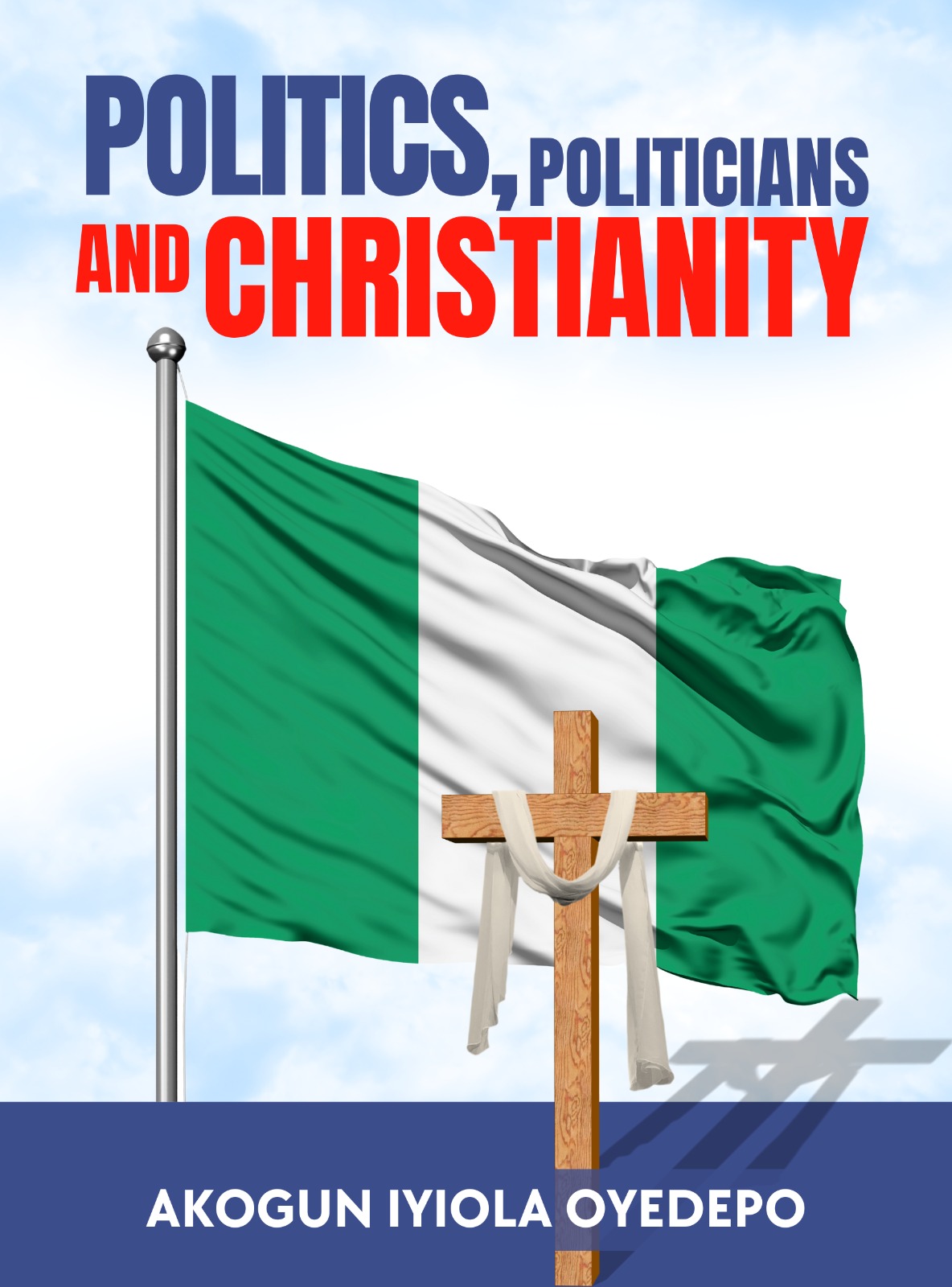
Politics, Politicians and Christianity

In Politics, Politicians and Christianity, Akogun Iyiola Oyedepo explores the uneasy and often misunderstood relationship between Christian faith and political leadership in Nigeria. The book interrogates how religious identity intersects with power, governance, and public responsibility, and questions whether faith genuinely influences conduct in public office or is merely used as a political label.

Drawing from decades of engagement in politics, law, and public discourse, the author reflects on the moral expectations placed on Christian politicians and the challenges they face in navigating power, compromise, and public pressure. He examines how religious institutions relate to political authority and whether the Church has adequately held leaders accountable to ethical standards.

The book ultimately calls for a more thoughtful, values-driven approach to leadership, urging both politicians and faith communities to move beyond symbolism toward integrity, justice, and service. It is a reflective work that challenges readers to reconsider the role of conscience, character, and belief in shaping public life.

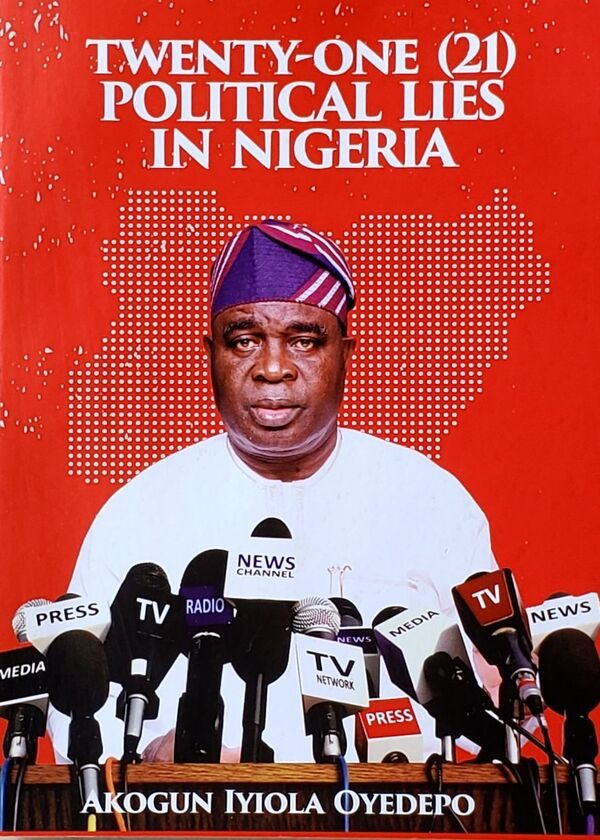
Twenty-One (21) Political Lies in Nigeria

Twenty-One (21) Political Lies in Nigeria is a critical examination of recurring narratives that dominate Nigeria’s political landscape. In this book, Akogun Iyiola Oyedepo identifies and interrogates twenty-one common political claims, promises, and assumptions that have shaped public expectations but often failed to deliver meaningful change.

Each “lie” is unpacked with context drawn from Nigeria’s political history, electoral culture, and governance experience. The author analyses how these narratives are constructed, why they persist, and how they contribute to political apathy, weak accountability, and misplaced public trust. Rather than focusing on personalities alone, the book addresses systemic patterns that cut across parties, regions, and administrations.

The work serves both as a critique and an educational tool, encouraging citizens to think critically about political messaging and leadership performance. It calls for greater honesty in politics, increased civic awareness, and a shift toward issue-based leadership rooted in truth and responsibility.

.

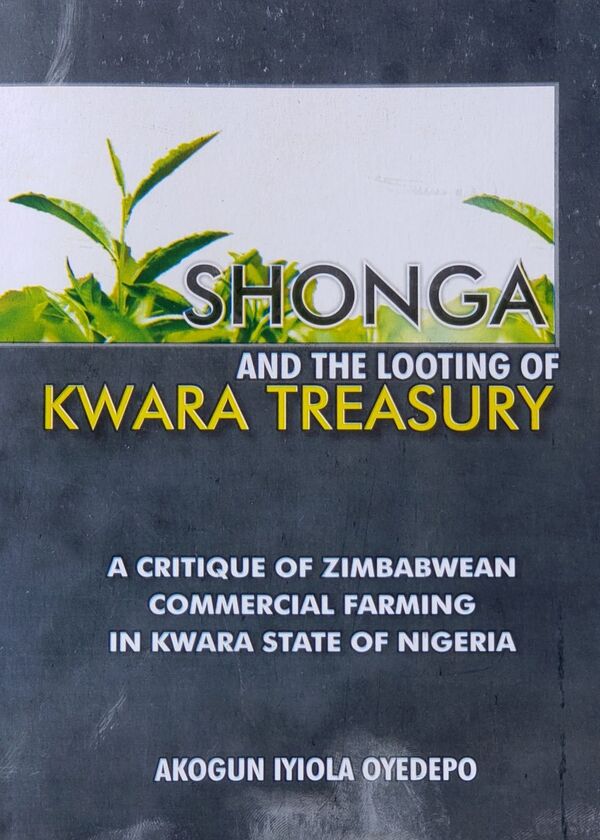
Shonga and the Looting of Kwara Treasury

In Shonga and the Looting of Kwara Treasury, Akogun Iyiola Oyedepo presents a detailed critique of the Shonga commercial farming initiative introduced in Kwara State. The book examines the policy objectives behind the project, its execution, and the financial implications for the state, raising serious questions about transparency, accountability, and governance.

Using the Shonga project as a case study, the author analyses how large-scale economic initiatives can become vehicles for mismanagement and misuse of public funds when proper oversight is absent. He explores the gap between policy rhetoric and actual outcomes, highlighting how public resources were committed without commensurate benefits to the people of the state.

Beyond Shonga itself, the book addresses broader issues of economic planning, public finance management, and leadership responsibility at the sub-national level. It stands as a call for stronger institutions, clearer accountability mechanisms, and more responsible stewardship of public resources in development initiatives.